- What to Expect at Your Child's First Music Lesson And How to Prepare
- How to Choose the Right Music Lesson for Your Child in Downingtown, PA
- Technology We Use to Support Learning Between Lessons
- Why January Is the Perfect Time to Start Music Lessons in Downingtown PA
- How to Set Up the Perfect At-Home Studio for Virtual Music Lessons
- Online vs. In‑Person Music Lessons in Downingtown: Which Works Best for You?
- Faith and Music in Lessons at Downingtown Music Academy


How to Choose the Right Music Lesson for Your Child in Downingtown, PA
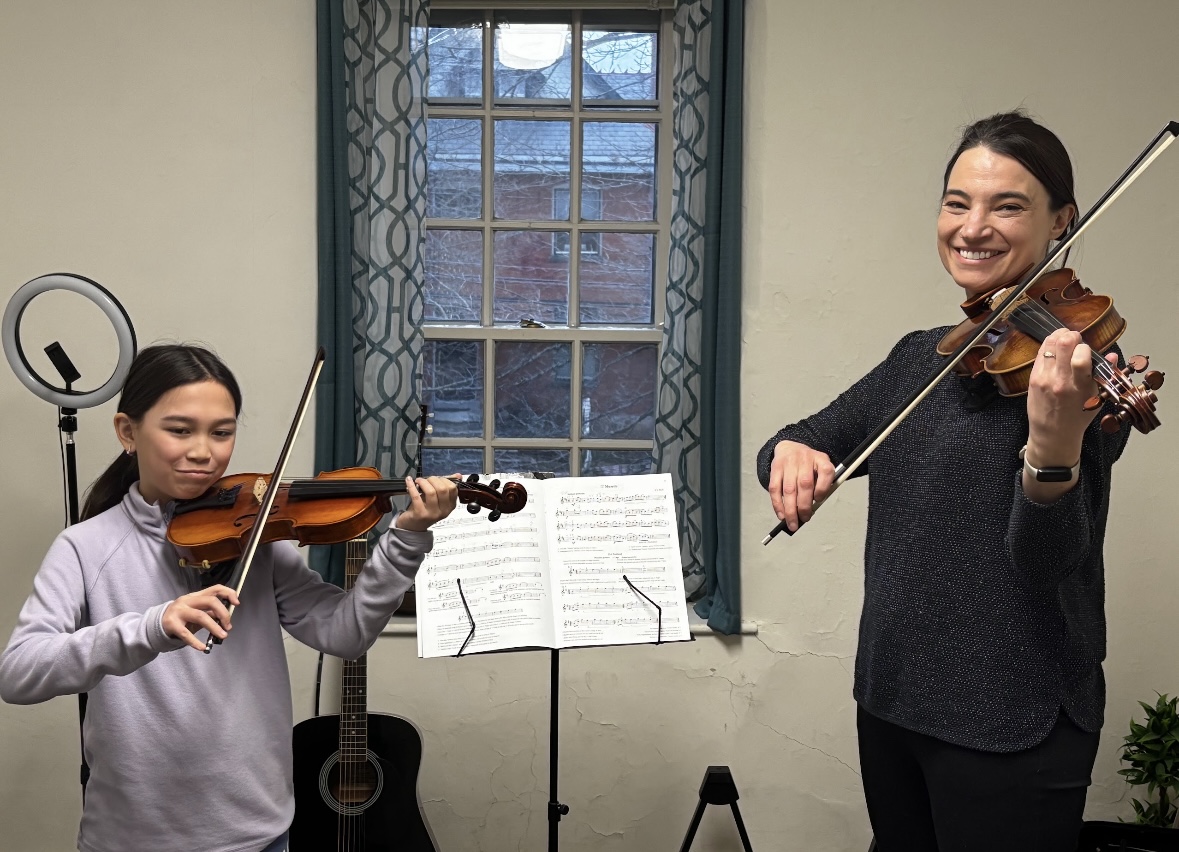
Choosing a music lesson for your child feels simple until you're actually doing it. Suddenly, there are instruments to consider, schedules to work around, different teaching philosophies, and a child who is excited one minute and unsure the next.
Over more than 20 years of teaching, I've helped hundreds of families in Downingtown and Chester County work through exactly this decision. Here's what I've found matters actually.
Start With What Your Child Is Drawn To
The single strongest predictor of whether a child sticks with music is whether they chose it, at least in part, themselves. A child who begged for guitar lessons for six months will practice differently from one who was signed up because the piano seemed practical. Pay attention to what they gravitate toward naturally. Do they tap along to music? Do they sing in the car without being asked? Do they have a favorite song they keep returning to? Those details tell you more than any instrument quiz.
Age Matters, But Not in the Way Most Parents Think
Parents often ask: "Is my child old enough?" The better question is: "Is my child ready?" For most instruments, including piano, guitar, and voice, children can begin meaningful lessons between the ages of five and seven. But readiness is about attention span, fine motor development, and genuine interest, not a birthday. A five-year-old who is eager and focused will progress faster than a seven-year-old who is reluctant. We offer a free trial lesson precisely so families can see how their child responds before committing.
Think About the Instrument, Not Just the Sound
Each instrument has its own learning curve and its own demands. Piano builds strong musical foundations, music theory, note reading, and coordination, all of which develop naturally through piano study. Guitar appeals to children who want to play songs they recognize quickly. Voice lessons work well for children who are already singing and want to develop their natural ability. There's no wrong choice. But it helps to think practically: Do you have space for a piano or keyboard? Is your child drawn to acoustic or electric sounds? Would they enjoy something they can carry and play anywhere?
The Teacher Matters More Than the Instrument
This is something I say often, and I mean it. A child who connects with their teacher will stay motivated through the hard weeks. A child who doesn't connect will find every reason to quit. Look for a teacher who explains their approach clearly, listens to what your child wants, and builds lessons around the student, not a rigid syllabus. Ask about their teaching philosophy. See how they respond to your child in a trial setting. At Downingtown Music Academy, all of our teachers are background-checked, experienced, and genuinely invested in each student's progress.
Consistency Over Perfection
Once you've made a choice, commit to it for long enough to see real results. Many families make the mistake of switching instruments or teachers too quickly when progress slows. Slow weeks are normal. They are often followed by breakthroughs. Four weekly 30-minute lessons per month, practiced consistently at home, will move any child forward. The key is building a routine early and sticking with it.
If you're ready to take the next step, book a free trial lesson and let's find the right fit for your child together.