- What to Expect at Your Child's First Music Lesson And How to Prepare
- How to Choose the Right Music Lesson for Your Child in Downingtown, PA
- Technology We Use to Support Learning Between Lessons
- Why January Is the Perfect Time to Start Music Lessons in Downingtown PA
- How to Set Up the Perfect At-Home Studio for Virtual Music Lessons
- Online vs. In‑Person Music Lessons in Downingtown: Which Works Best for You?
- Faith and Music in Lessons at Downingtown Music Academy


How to Set Up the Perfect At-Home Studio for Virtual Music Lessons
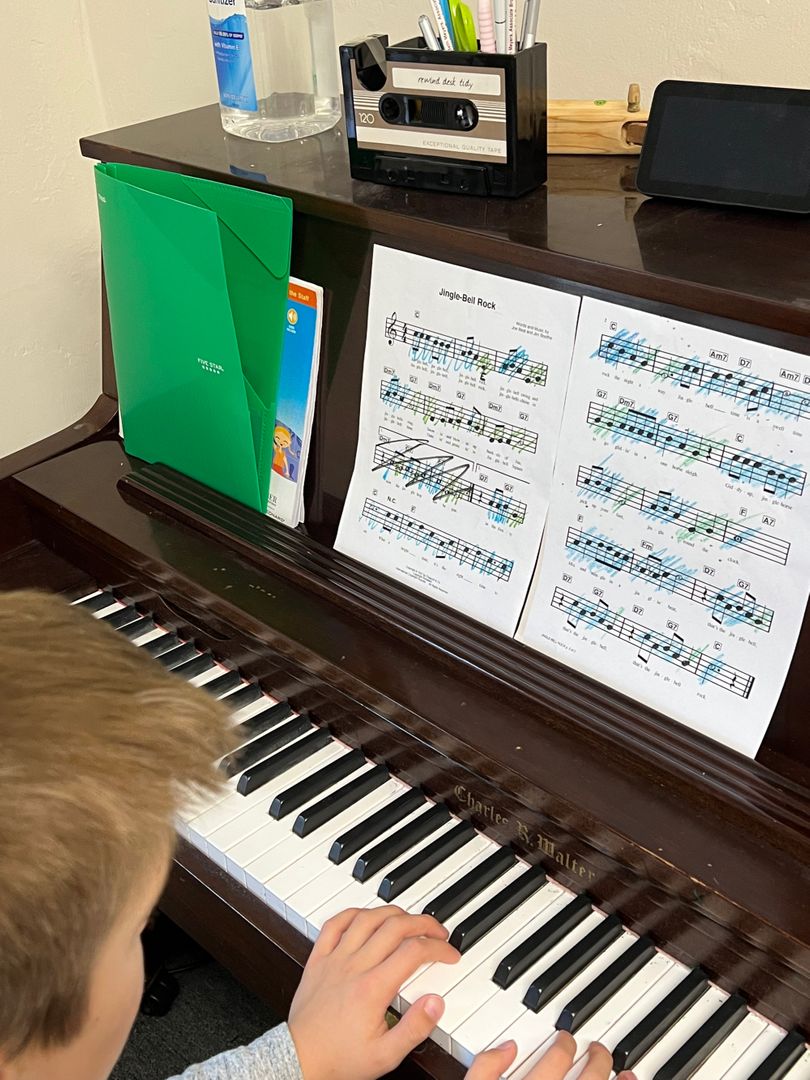
A successful music lesson starts with a space that feels calm, focused, and ready to go. When students have a reliable setup at home, they show up more confident, more engaged, and more prepared to learn.
Setting up a home music space doesn’t have to be complicated. With a few thoughtful adjustments, you can create an environment that supports learning, encourages progress, and brings joy to your child’s musical journey.
Choose a Quiet and Consistent Spot
Look for a space in your home that stays quiet and free from distractions. This could be a corner of the living room, a home office, or a space in a bedroom. What matters most is that the area feels consistent and easy to return to each week.
Avoid areas with heavy foot traffic, TVs, or kitchen noise. A simple setup with a table, chair, and proper lighting is more than enough when the space is used with intention.
Position the Instrument First
Center the space around the instrument. For piano students, make sure the bench is adjusted correctly and the keyboard is on a sturdy surface. Voice students benefit from having room to stand with good posture. Guitar students need a supportive chair and a music stand.
If your child uses lesson books, theory worksheets, or practice journals, place them nearby so they’re easy to access during lessons.
Set the Right Camera Angle
Video quality doesn’t need to be professional, but clear visibility helps the teacher give better feedback. A laptop or tablet works best. Position the device to show the full keyboard for piano, or the upper body for voice and guitar.
Use a tripod if available. If not, a stack of books or a sturdy shelf can help you find the right angle. Always test the setup before the lesson begins to make sure everything is in view.
Improve the Sound Setup
Audio matters more than you might think. A simple USB microphone can make a noticeable difference in how well the teacher can hear tone, dynamics, and articulation. Built-in microphones are okay to start, but upgrading is worth considering once lessons become regular.
To reduce echo, add soft surfaces to the space. Rugs, curtains, or cushions can help absorb sound and make the room feel warmer.
Make Sure the Lighting is Clear
Good lighting helps the teacher see posture, finger placement, and expression. Natural light is ideal, but if the space is darker or lessons take place in the evening, a small desk lamp behind the device can brighten the screen without being harsh.
Avoid having light directly behind the student, which can cause shadows on the face or hands.
Keep Everything Within Reach
Before each lesson, make sure everything your child needs is ready to go. This might include:
- Lesson books or printed music
- A pencil and notebook
- A metronome or practice app
- Water for singers
- Any assignments from the previous week
Keeping supplies organized builds good habits and helps the lesson stay on track.
Consider Headphones or External Speakers
In busy households, headphones can help students stay focused and block out background noise. Voice students in particular benefit from hearing both themselves and their instructor clearly. If headphones aren’t preferred, external speakers can also enhance the sound quality coming from the device.
Encouragement from the Studio
A supportive learning space makes a big impact on progress. Students look forward to lessons when the environment feels comfortable and prepared. They take ownership of their learning and feel more motivated to practice.
If you’re just getting started with online music lessons and want a second opinion on your space, we’re happy to help. Families often send us photos or take us on a quick video tour before their first lesson. It’s a great way to get confident and set things up for success.