- What to Expect at Your Child's First Music Lesson And How to Prepare
- How to Choose the Right Music Lesson for Your Child in Downingtown, PA
- Technology We Use to Support Learning Between Lessons
- Why January Is the Perfect Time to Start Music Lessons in Downingtown PA
- How to Set Up the Perfect At-Home Studio for Virtual Music Lessons
- Online vs. In‑Person Music Lessons in Downingtown: Which Works Best for You?
- Faith and Music in Lessons at Downingtown Music Academy


What to Expect at Your Child's First Music Lesson And How to Prepare
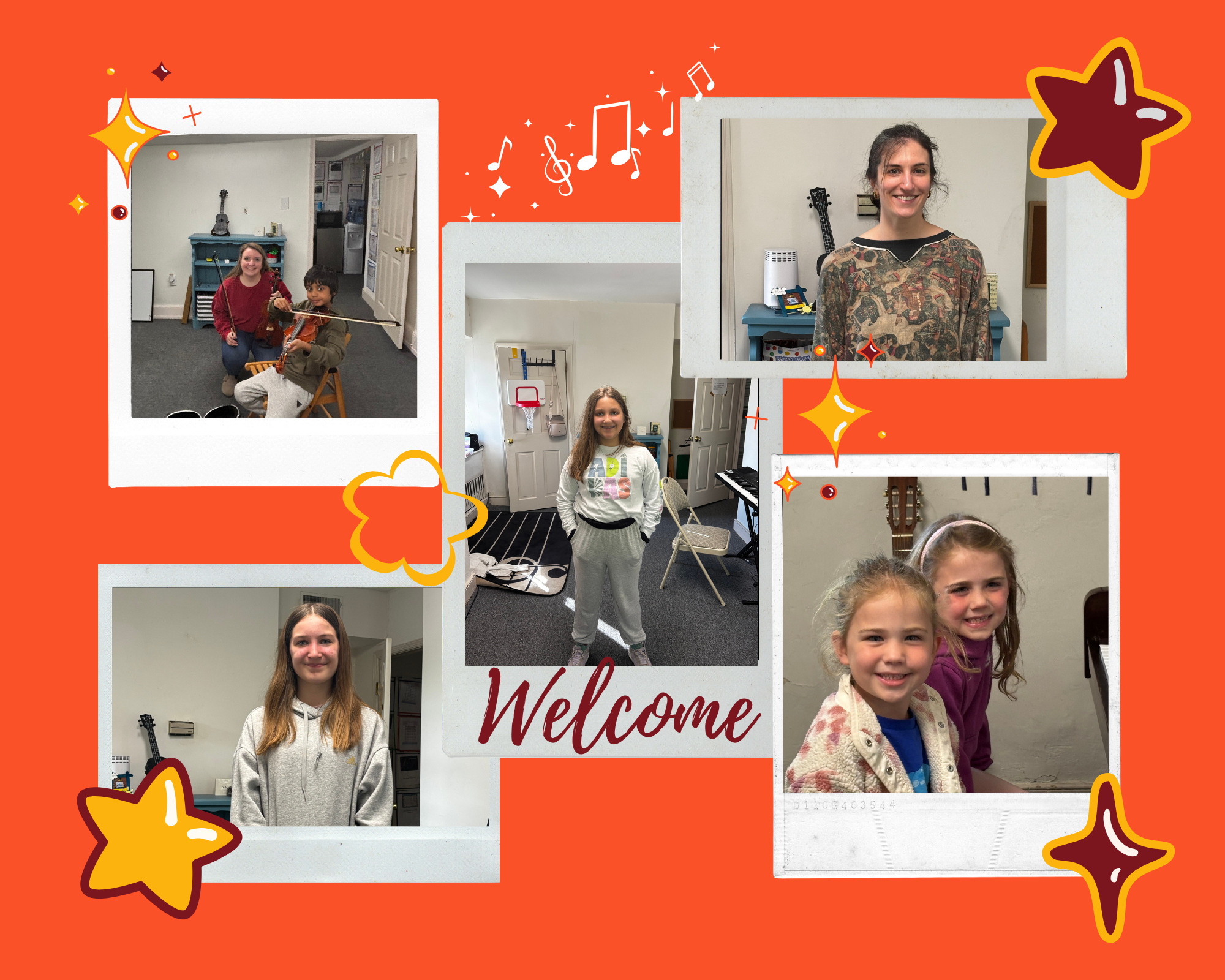
The first lesson is a big moment for your child, and honestly, for most parents, too. There's excitement, some nerves, and often a few questions that didn't get asked beforehand.
After years of welcoming new students to our studio on East Lancaster Avenue, I've noticed the first lessons that go best share something in common: the families arrived with realistic expectations and a calm, open mindset. Here's what that first lesson actually looks like, and how to help your child feel ready for it.
What the First Lesson Is Really For
The first lesson is not a performance. There are no tests, no pressure, and no expectations of perfection. Its real purpose is to get to know your child, how they learn, what they're excited about, what feels easy, and what will need patient attention. We spend time getting comfortable with the instrument, exploring some basics, and finding something your child can leave with a sense of accomplishment. That first win matters. It's the foundation that everything else builds on.
What Your Child Will Likely Experience
Depending on their age and the instrument, your child will probably be introduced to how to sit or stand correctly, how to hold or position themselves at the instrument, and one or two simple concepts, a few notes, a short rhythm, or a basic technique. Most first lessons end with a small assignment: something specific to practice before the next session. It won't be overwhelming. The goal is to give them just enough to build momentum.
How to Prepare Your Child
You don't need to do much, and that's actually the point. A few simple things help: Talk about it positively in the days leading up to the lesson. Children take emotional cues from their parents. If you're relaxed and excited, they will be too. Make sure they're not overly tired or hungry when they arrive. A lesson that follows a long school day without a snack rarely goes as well as one where the child has had a chance to settle. Avoid putting pressure on outcomes. Comments like "I hope you learn fast" or "Don't embarrass us", even said lightly, land differently on a child than intended. A simple "I can't wait to hear what you learn" goes a long way.
What to Have at Home Before the First Lesson
Before your child walks through our door, it helps to have the basics in place at home. For piano students, a keyboard or acoustic piano in good working condition is essential. For guitar, an appropriately sized instrument matters more than most parents realize. A full-size guitar in the hands of a small child makes everything harder. For voice, nothing special is required, just a quiet space to practice at home. We'll guide you on exactly what you need during or after the trial lesson.
After the First Lesson
How you respond when your child gets home sets the tone for the weeks ahead. Ask open questions, "What did you work on?" or "What was the most interesting part?", rather than "Can you play something for me already?" Let the lesson breathe. Progress in music is cumulative and sometimes invisible from week to week. What matters most right now is that your child leaves the studio looking forward to coming back. That's what we're always working toward.
Book your child's first lesson today, and we'll take it from there.